Evaluating Site Conditions Before Project Execution
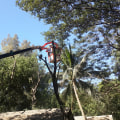
Crane-assisted tree removal requires extensive planning, particularly when projects involve large trees, restricted spaces, or residential and commercial properties with limited accessibility. Contractors begin by evaluating site conditions to determine the most suitable locations for crane placement, equipment staging, and personnel movement. They assess ground stability, overhead obstacles, nearby structures, and available access routes. Understanding these factors helps contractors identify potential logistical challenges before work begins. Comprehensive site assessments also allow teams to develop transportation strategies that minimize disruptions and support safe, efficient tree removal operations.
Planning Equipment Transportation and Delivery
Transporting heavy machinery to a tree removal site requires careful coordination between contractors, equipment operators, and transportation providers. Cranes, wood chippers, hauling trucks, and other specialized equipment must arrive in an organized sequence to prevent congestion and unnecessary delays. Contractors evaluate road conditions, vehicle clearance, weight restrictions, and turning space before selecting transportation routes. Projects located in densely populated neighborhoods may require additional planning to accommodate narrow streets and limited parking. Properly scheduled equipment deliveries help maintain operational efficiency while reducing interference with surrounding properties.
Coordinating Personnel and Project Stakeholder Transportation
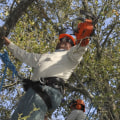
Complex tree removal projects often involve multiple professionals, including arborists, crane operators, safety supervisors, engineers, and property representatives. Coordinating transportation for these individuals helps maintain consistent communication and ensures that essential personnel arrive when needed. For larger commercial projects, organizers may consider transportation providers such as Caddy Chauffeured Services for visiting executives, property managers, or other stakeholders attending scheduled site meetings. Separating passenger transportation from heavy equipment movement can improve logistical organization and reduce unnecessary vehicle congestion around active work areas.
Managing Restricted Access and Urban Environments
Tree removal projects in urban environments frequently present challenges involving limited maneuvering space, pedestrian activity, and nearby infrastructure. Contractors must carefully coordinate access arrangements to accommodate specialized equipment without compromising public safety. This may involve obtaining permits, arranging temporary parking restrictions, and communicating with local authorities regarding necessary road closures. Establishing designated equipment access points and controlled work zones helps minimize conflicts between construction activities and everyday traffic. Effective access management also reduces disruptions for residents, businesses, and neighboring property owners.
Establishing Effective Communication Among Project Teams
Clear communication is essential when multiple teams participate in crane-assisted tree removal operations. Contractors establish detailed project schedules that identify equipment arrival times, personnel assignments, transportation responsibilities, and debris removal arrangements. Regular communication allows teams to respond effectively to changing weather conditions, unexpected site limitations, or transportation delays. Providing updated information to equipment operators and hauling companies helps prevent scheduling conflicts. Maintaining organized communication throughout the project also supports accountability and ensures that everyone understands their responsibilities within the broader logistical plan.
Organizing Debris Removal and Hauling Operations
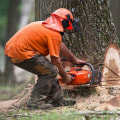
Removing large trees generates substantial amounts of wood, branches, and other organic debris that require appropriate handling and transportation. Contractors coordinate hauling schedules to prevent materials from accumulating around active work zones. Selecting suitable hauling vehicles based on material volume and accessibility requirements helps improve efficiency. Contractors may also arrange deliveries to recycling facilities, wood processing centers, or designated disposal locations. Effective debris transportation keeps the project site organized while reducing environmental impacts and unnecessary transportation expenses.
Supporting Safe and Efficient Project Completion
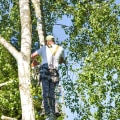
Successful crane-assisted tree removal depends on integrating site preparation, equipment transportation, personnel coordination, and debris management into a unified strategy. Careful logistical planning helps contractors minimize operational delays, protect surrounding infrastructure, and maintain workplace safety. By anticipating transportation challenges and developing practical solutions, contractors can complete complex projects efficiently while providing property owners with dependable and professional tree removal services.