Tree removal projects often require much more coordination than simply arriving at a property and cutting down a tree. Crews may need to transport chainsaws, climbing equipment, wood chippers, cranes, stump grinders, safety gear, and heavy-duty trucks to the site. When transportation logistics are poorly planned, workers may arrive before essential equipment, vehicles may block access points, or additional trips may be required to retrieve missing tools. Careful scheduling helps ensure that crews and equipment arrive in the correct order so work can begin without unnecessary delays. Efficient transportation planning can also reduce idle time and help contractors complete more work within the available schedule.
Evaluating Site Access in Advance
Access conditions can significantly affect the efficiency of tree removal. Properties with narrow driveways, steep roads, limited parking, soft ground, or restricted entrances may require specialized transportation arrangements. Before sending heavy equipment to a location, contractors should determine whether trucks and machinery can safely reach the work area. Similar to the coordination involved in services such as Park City airport transfers, successful scheduling depends on understanding routes, timing, vehicle requirements, and potential obstacles before transportation begins. A site assessment can help identify whether smaller equipment, alternative parking areas, or additional traffic control will be necessary.
Coordinating Heavy Equipment
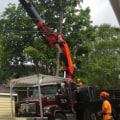
Large or hazardous trees may require cranes, bucket trucks, loaders, or other specialized machinery. Transporting this equipment can involve additional planning because oversized vehicles may have difficulty navigating residential streets or congested areas. Crews may need to schedule equipment deliveries separately from employee arrival times to prevent vehicles from competing for limited space. Positioning machinery correctly is also important because relocating a crane or chipper after work begins can consume valuable time. A well-organized transportation plan helps place equipment where it can be used safely and efficiently from the beginning of the project.
Managing Debris Removal
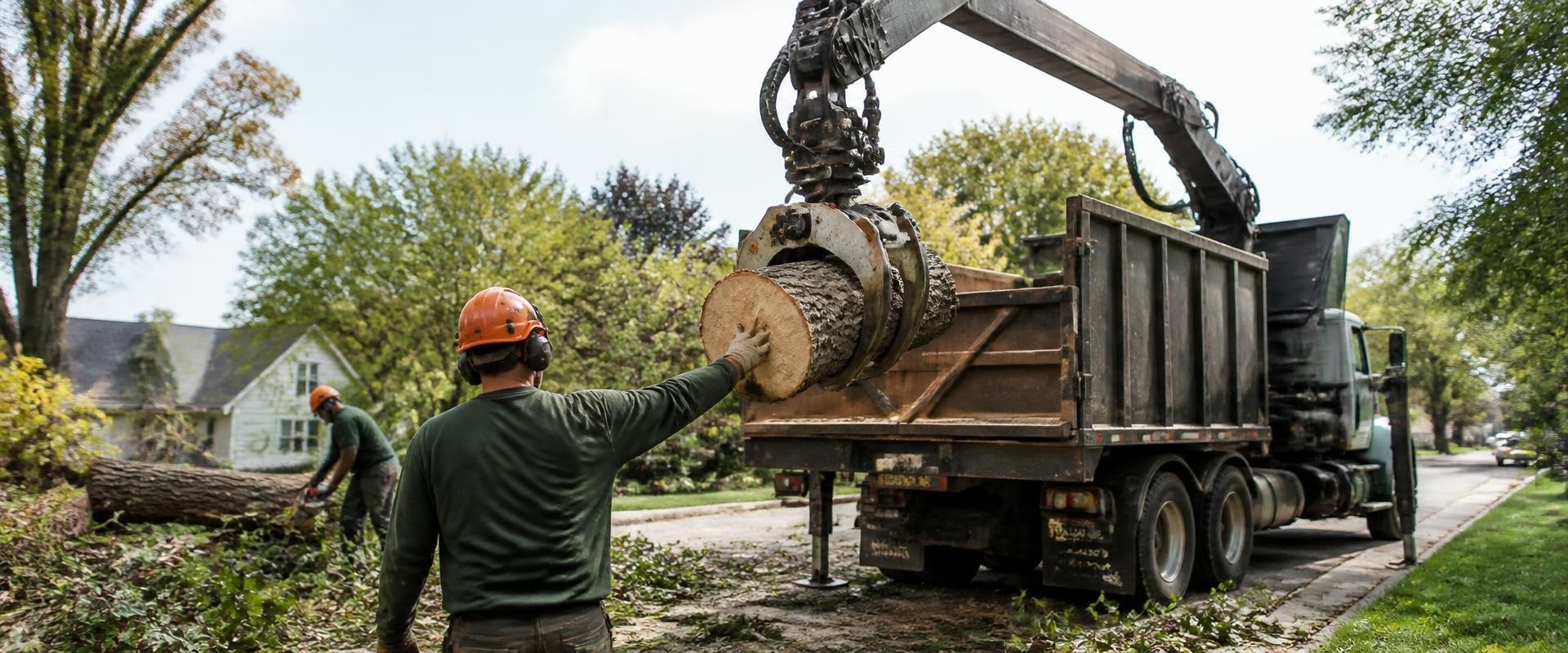
Transportation remains important even after a tree has been successfully cut down. Branches, logs, wood chips, and other debris must often be removed from the property. If debris trucks are too small or unavailable when needed, piles of material can accumulate and interfere with other parts of the job. Contractors can improve efficiency by estimating the expected volume of debris and arranging enough hauling capacity in advance. Some materials may be transported to recycling facilities, processing sites, or disposal locations, so understanding travel distances and facility requirements can also influence the overall schedule.
Reducing Traffic and Property Disruptions
Tree removal vehicles can temporarily affect traffic around a property, particularly when large trucks must park along a street. In busy neighborhoods or commercial areas, contractors may need to plan arrival and departure times carefully to avoid peak traffic periods. Proper vehicle placement can also help keep driveways, sidewalks, and neighboring properties accessible. When crews communicate transportation requirements beforehand, property owners can prepare parking areas or move personal vehicles before work begins. These small planning steps can reduce disruptions and allow crews to focus on the removal itself.
Preparing for Unexpected Conditions
Weather, road closures, mechanical problems, and changing site conditions can affect transportation schedules. Contractors should have backup plans for circumstances that prevent equipment from reaching a property at the expected time. Monitoring road conditions and maintaining communication between drivers and onsite crews can make adjustments easier. Reliable vehicles and routine maintenance are equally important because mechanical breakdowns can interrupt an entire workday.
Improving Overall Project Efficiency
Efficient tree removal depends on having the right people, equipment, and vehicles in the correct location at the right time. Transportation logistics influence nearly every stage of the job, from initial equipment delivery to final debris hauling. By evaluating access conditions, coordinating specialized machinery, planning hauling capacity, and preparing for transportation delays, tree removal companies can reduce wasted time and keep projects moving smoothly. Strong logistical planning ultimately supports safer working conditions, fewer interruptions, and more efficient completion of tree removal projects.