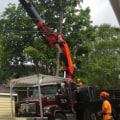
When preparing for a home move, most people focus on packing, logistics, and timelines, but property access is often overlooked. Large or hazardous trees can interfere with moving trucks, trailers, or equipment, especially in tight residential areas. Crane tree removal becomes necessary when trees are too large, unstable, or close to structures to be removed safely using standard methods. Scheduling this service at the right time ensures the move proceeds without delays, safety risks, or damage to property.
Timing Tree Removal Before Moving Day
The ideal time to schedule crane tree removal is well before moving day—typically several weeks in advance. Early scheduling allows time for permits, inspections, and coordination with arborists, which are often required in residential neighborhoods. Removing trees too late can create last-minute complications, such as blocked driveways or restricted access for large moving vehicles. Planning ahead also ensures that debris cleanup is completed before movers arrive, keeping pathways clear and preventing hazards during loading.
Coordinating With Moving Logistics
Crane tree removal should be coordinated closely with your overall moving plan. If trees obstruct driveways, streets, or yard access points, they can prevent trucks from parking close enough to the home, increasing labor time and risk of damage. Communicating removal timelines with your moving company in Westlake Highlands allows both services to align schedules effectively. This coordination ensures that once trees are removed, movers can operate efficiently without navigating around equipment, stumps, or debris.
Seasonal Considerations for Tree Removal
Seasonality plays a significant role in scheduling crane tree removal. Late fall and winter are often ideal, as trees are dormant and lighter without leaves, making removal safer and more efficient. However, peak moving seasons often occur in spring and summer, when tree services may be booked far in advance. Weather conditions also matter; high winds or heavy rain can delay crane operations. Factoring in seasonal demand and weather patterns reduces the risk of unexpected postponements.
Safety and Property Protection
One of the biggest advantages of crane-assisted tree removal is enhanced safety, especially when trees are close to homes, power lines, or neighboring properties. Scheduling removal before moving day minimizes risks to movers, vehicles, and household goods. Falling branches or unstable trunks during move-out day could cause serious damage or injuries. Addressing these hazards early creates a controlled environment where both tree professionals and movers can work without interference.
Managing Permits and Neighborhood Rules
Many neighborhoods and municipalities require permits for tree removal, particularly for large or protected trees. These approvals can take time, making early scheduling essential. Homeowners associations may also have rules regarding noise, work hours, or restoration requirements. Handling permits and approvals well before your move prevents administrative delays from interfering with your relocation timeline. It also ensures compliance, avoiding fines or forced work stoppages.
Preparing the Property for Final Walkthroughs
If you’re selling your home, crane tree removal can improve curb appeal and property accessibility before final walkthroughs or inspections. Removing damaged or overgrown trees creates a cleaner, safer appearance and prevents last-minute concerns from buyers or inspectors. Completing this work before moving day ensures the property is left in good condition and reduces post-move responsibilities.
Creating a Smooth and Efficient Move
Scheduling crane tree removal at the right time transforms a potential obstacle into a strategic advantage. By addressing tree-related access issues early, homeowners reduce stress, protect property, and support a smoother moving process. Proper timing allows each phase of the move—from preparation to loading—to flow without interruption. When tree removal and moving logistics are thoughtfully aligned, the entire relocation becomes safer, faster, and far more manageable.