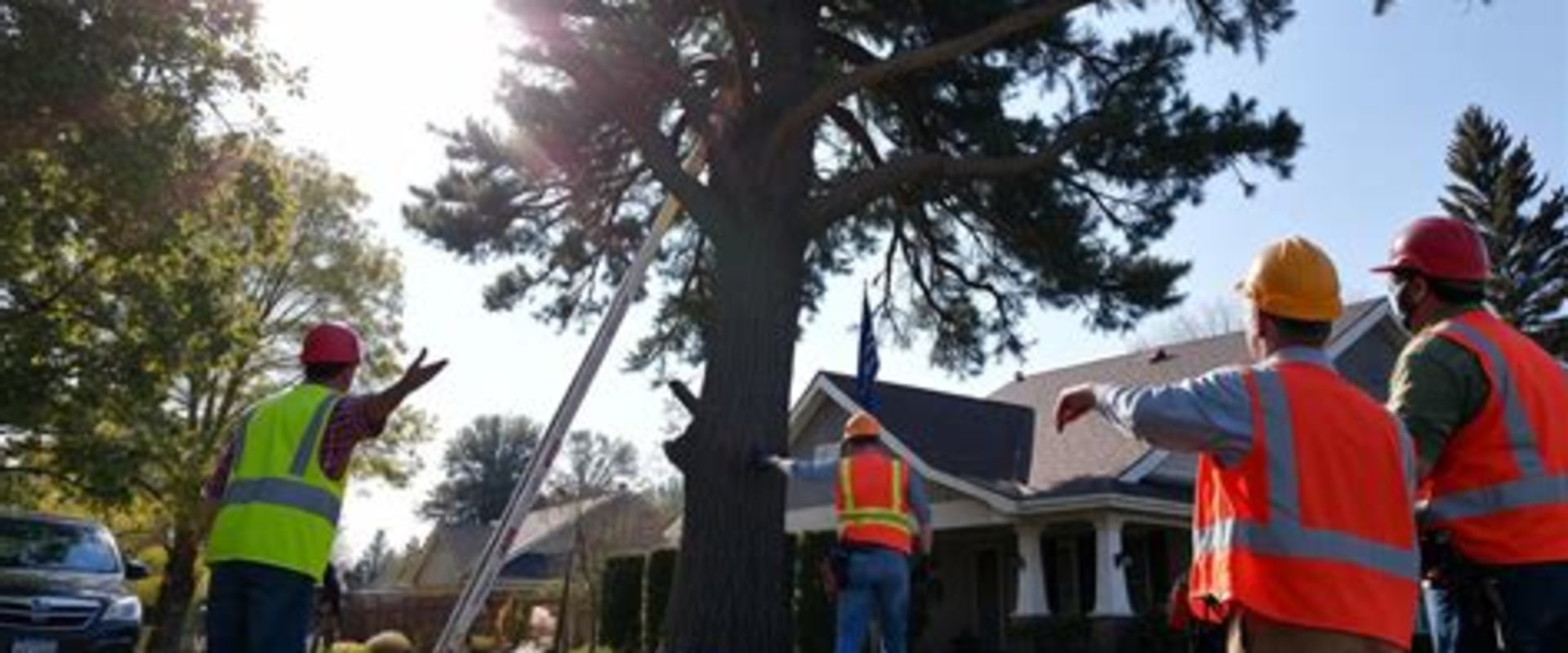
Coordinating large-scale tree removal projects requires a thoughtful balance of safety, logistics, and environmental responsibility. Whether clearing land for development, managing storm damage, or addressing hazardous trees, the first step is a comprehensive assessment of the site. Professionals evaluate tree size, density, location, and proximity to structures or utilities to determine the safest and most efficient approach. This planning stage also involves securing permits, complying with local regulations, and identifying potential environmental impacts. By establishing a clear scope and timeline, project managers can minimize disruptions while ensuring the work is completed efficiently and responsibly.
The Role of Skilled Crews and Specialized Equipment
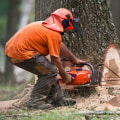
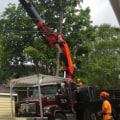
Executing a large-scale tree removal project demands experienced crews and advanced equipment. Arborists, heavy machinery operators, and safety specialists work together to handle complex tasks such as dismantling large trees, grinding stumps, and managing debris. Equipment like cranes, wood chippers, and aerial lifts allows teams to operate safely even in challenging environments. Proper coordination among team members is essential to avoid delays and ensure each phase of the project flows smoothly. In addition, strict adherence to safety protocols protects both workers and nearby properties, reinforcing the importance of hiring qualified professionals for such demanding work.
Logistics and Transportation Coordination
One of the most critical aspects of large-scale tree removal is managing the logistics of debris removal and transportation. Once trees are cut down, the resulting wood, branches, and organic material must be efficiently cleared from the site. This often involves coordinating multiple trucks, scheduling pickups, and determining appropriate disposal or recycling methods. Professional support services play a key role in streamlining this process, ensuring materials are transported safely and in compliance with environmental guidelines. In some cases, partnerships with providers like Daddio can enhance efficiency by offering reliable transport solutions that keep projects on schedule and reduce bottlenecks in the workflow.
Environmental Responsibility and Site Restoration
Beyond removal, responsible tree management includes proper site restoration and environmental consideration. Many projects incorporate recycling practices, such as turning removed trees into mulch or lumber, reducing waste and supporting sustainability efforts. Replanting initiatives or soil stabilization measures may also be implemented to maintain ecological balance. Professional teams understand the importance of preserving surrounding vegetation and minimizing soil disturbance, ensuring that the site remains viable for future use. This commitment to environmental stewardship is increasingly important as communities prioritize sustainable land management practices.
Ensuring Project Success Through Professional Support
Ultimately, the success of a large-scale tree removal project depends on effective coordination and the involvement of experienced professionals. From initial planning and risk assessment to execution and cleanup, each stage requires careful attention to detail and seamless collaboration. Professional support services not only provide the expertise and equipment needed but also help manage the logistical challenges that come with large operations. By leveraging skilled teams and reliable transportation solutions, project managers can achieve safe, efficient, and environmentally responsible outcomes. As demand for land development and maintenance continues to grow, the value of coordinated, professional tree removal services will remain essential.